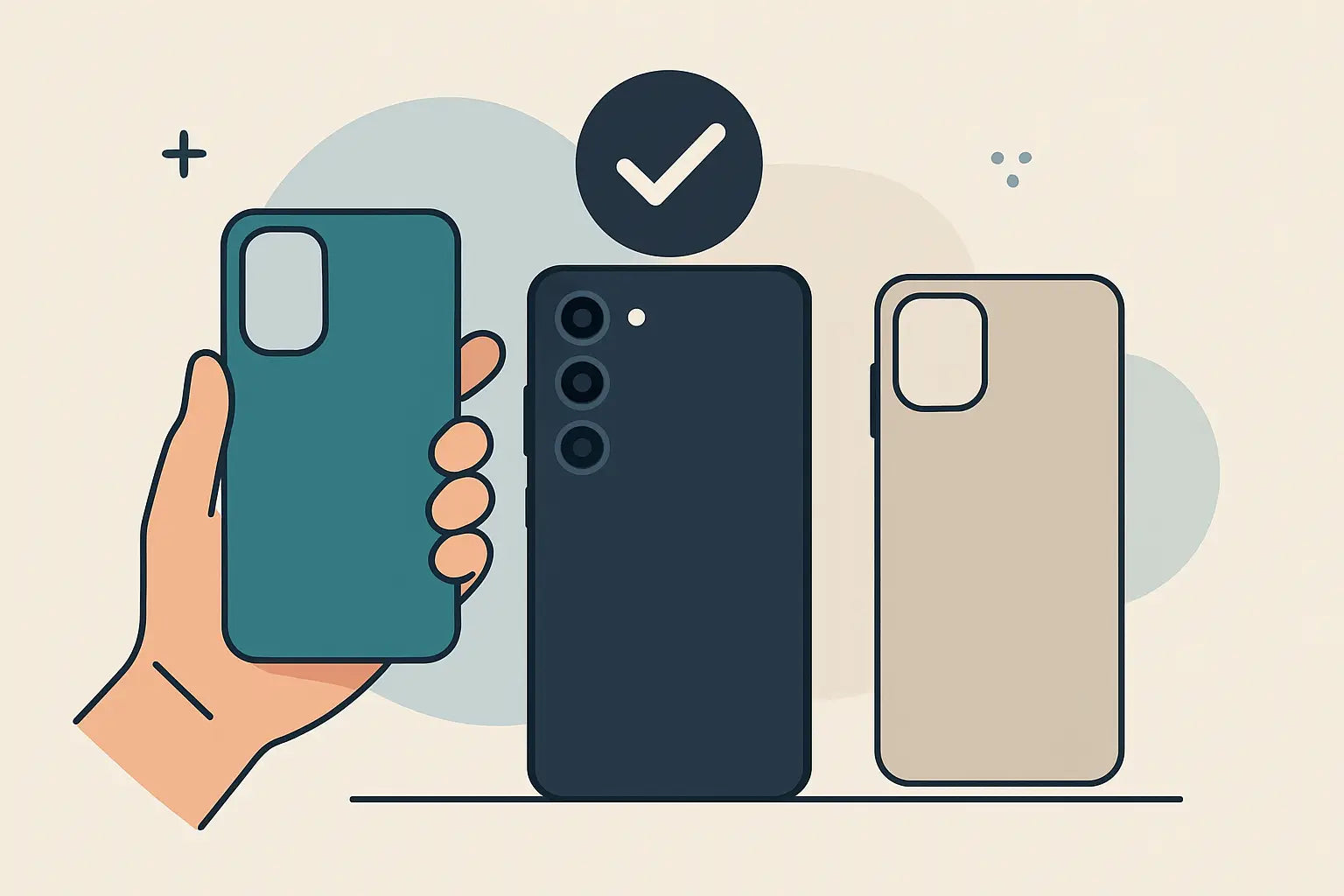

You've experienced it: you order a case, it arrives, and suddenly the camera doesn't "sit" right, the buttons aren't pressed correctly, or the case is loose. With the iPhone 16 series, this is more likely to happen, not because it's complicated, but because the differences between the models are significant enough that an "almost identical" case will ultimately be the wrong choice.
If you're looking for iPhone 16 case model compatibility, the goal is simple: to fit your iPhone 100% – and your specific setup (chargers, screen protectors, car mounts, daily use). Below, we'll clarify this practically, without technical jargon.
What "model compatibility" really means for an iPhone 16 case
Compatibility isn't just about "the phone fitting inside." A case needs to properly align 3 things: the camera module (and its height), the side buttons, and the openings (charging port, speakers, microphones). If even one of these is slightly off, the result is daily annoyance or reduced protection.With iPhone 16s, the most common compatibility failures occur because someone bought a case for another model in the same series (e.g., 16 instead of 16 Pro) or because they confused it with a case from a previous generation (15), thinking it was "almost the same." In practice, an "almost identical" case is the quickest route to a return.
iPhone 16 case model compatibility: 16, Plus, Pro, Pro Max
Let's be clear: each model needs its own case. Even if the dimensions seem close, the camera and component layout are enough to spoil the fit.iPhone 16 vs iPhone 16 Plus
The main difference here is size. The Plus is larger, so an iPhone 16 case won't "stretch" to become a Plus case. If you see descriptions that imply "fits both," be wary. Proper compatibility means the model is explicitly named.iPhone 16 vs iPhone 16 Pro
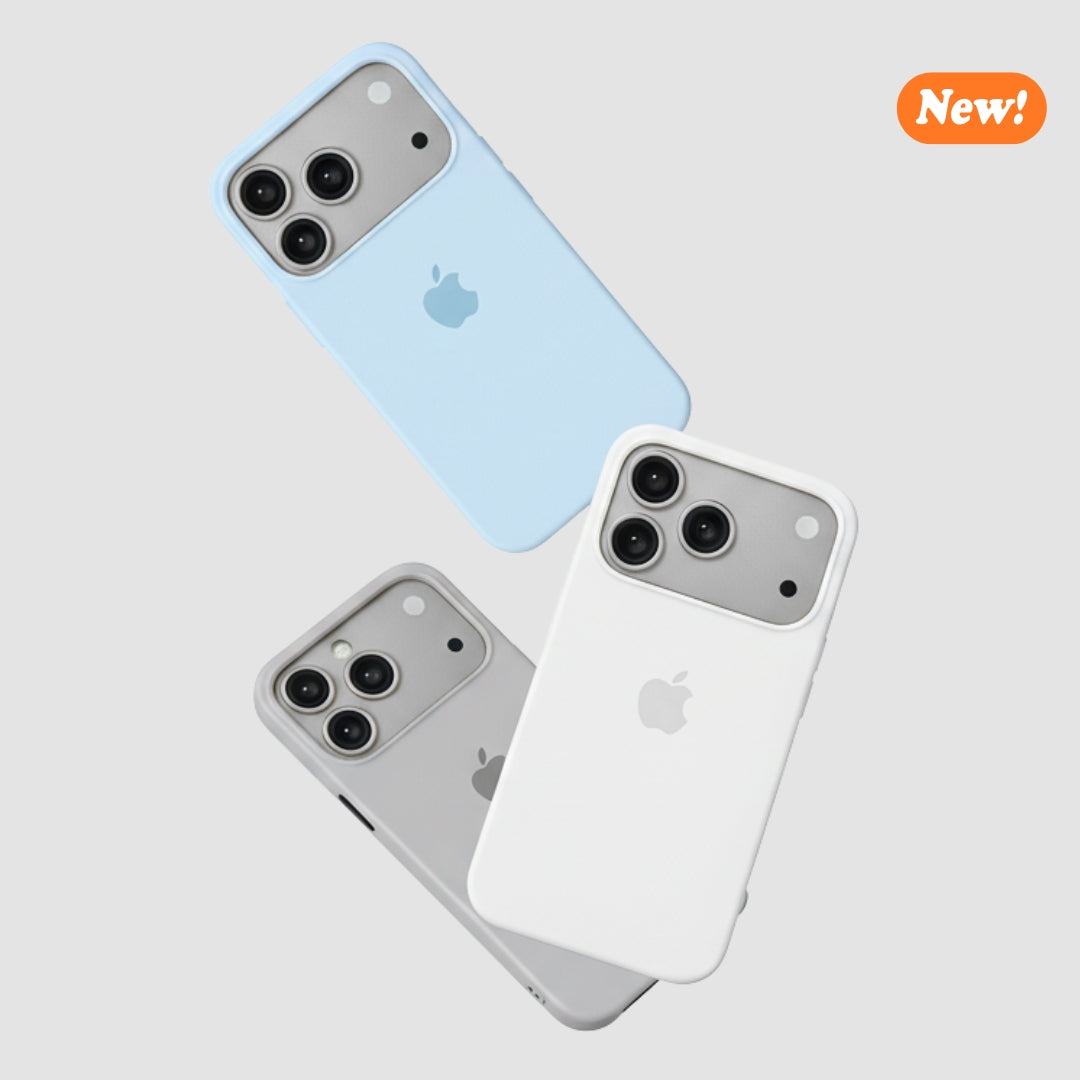
Even if dimensions were similar in some generations, the Pro almost always has a different camera setup. This changes the case opening and how much it protects around the lens. In use, this is immediately apparent: if the opening is wrong, you either "see" plastic in front of the lens or the module is left exposed.iPhone 16 Pro vs iPhone 16 Pro Max
Here, we're talking about a clearly different size. If a case is for a Pro Max and you put it on a Pro, it will be "loose" and you'll lose corner protection. The opposite simply won't fit.How to check your exact model in 20 seconds
If there's one step that prevents 80% of mistakes, it's this. Before you shop, go to: Settings - General - About - Model Name. There you'll see if it's a 16, 16 Plus, 16 Pro, or 16 Pro Max.If you recently upgraded or transferred data, don't rely on "that's what they told me at the store" or what the receipt said. The phone clearly states it.
Why an iPhone 15 case is not "definitely" compatible with iPhone 16
The most common pitfall is the "same same." Even if the dimensions look similar, small changes in button placement or camera height are enough to alter the fit.If you want zero risk, stick to the rule: a case that says iPhone 16 for an iPhone 16. Not "16/15," not "16 series" without distinguishing the model. Especially if you prefer a tighter-fitting case (e.g., slim), the margin for error is even smaller.
The 3 "details" that show if the case fits correctly
There are three signs that distinguish proper compatibility from an approximate fit.First, the buttons should press naturally, without needing force and without "sticking." If you feel them catching somewhere, it's an indication of the wrong model or poor cutting.
Second, the camera should sit within the opening with a proper margin all around. You don't want it to be "cramped" or to have a gap that leaves the area exposed.
Third, the charging port and speakers must align. If the cable is difficult to insert or catches on the plastic, the case may be to blame – and that's annoying in daily use.
Compatibility and MagSafe: does it work with your accessories?
If you use MagSafe (charger, car mount, wallet), compatibility is not just about the iPhone model, but also about the case itself. You want a case that clearly states it supports MagSafe or magnetic compatibility, otherwise, you might experience a weak grip or slow charging.There's also a trade-off: "heavier" cases with strong protection (lots of material, reinforcements) sometimes reduce the performance of the magnets. If your priority is for the car mount to hold like a rock, choose a case that features this as a primary characteristic, not as a footnote.
Case and tempered glass: will they work together?
If you're applying a screen protector, also check the case's compatibility with a "case-friendly" fit. Some cases with very raised edges or a very tight design can touch the tempered glass at the edges and eventually lift it.This doesn't mean you should be afraid of protective cases. It means that if you're the type who wants both a case and glass (which is logical), prefer a case that leaves proper clearance around the screen. This is especially helpful if you're using privacy glass, which usually has a slightly different feel at the edge.
"Slim" or "armored"? Compatibility also means usage
The right case for the right model is the first step. The second is to match it to your lifestyle.If you want something discreet in your pocket and you don't drop your phone often, a slim case feels nice and keeps your phone "clean" in hand. The risk is that you have less buffer in falls, so the fit must be perfect – otherwise, the protection drops even further.
If you have an active daily routine (outdoor work, commuting, gym), a more protective case with reinforced corners makes sense. Here, the trade-off is bulk and, sometimes, weight. It's not bad, it just requires a decision based on your usage.
How to shop online correctly without second-guessing
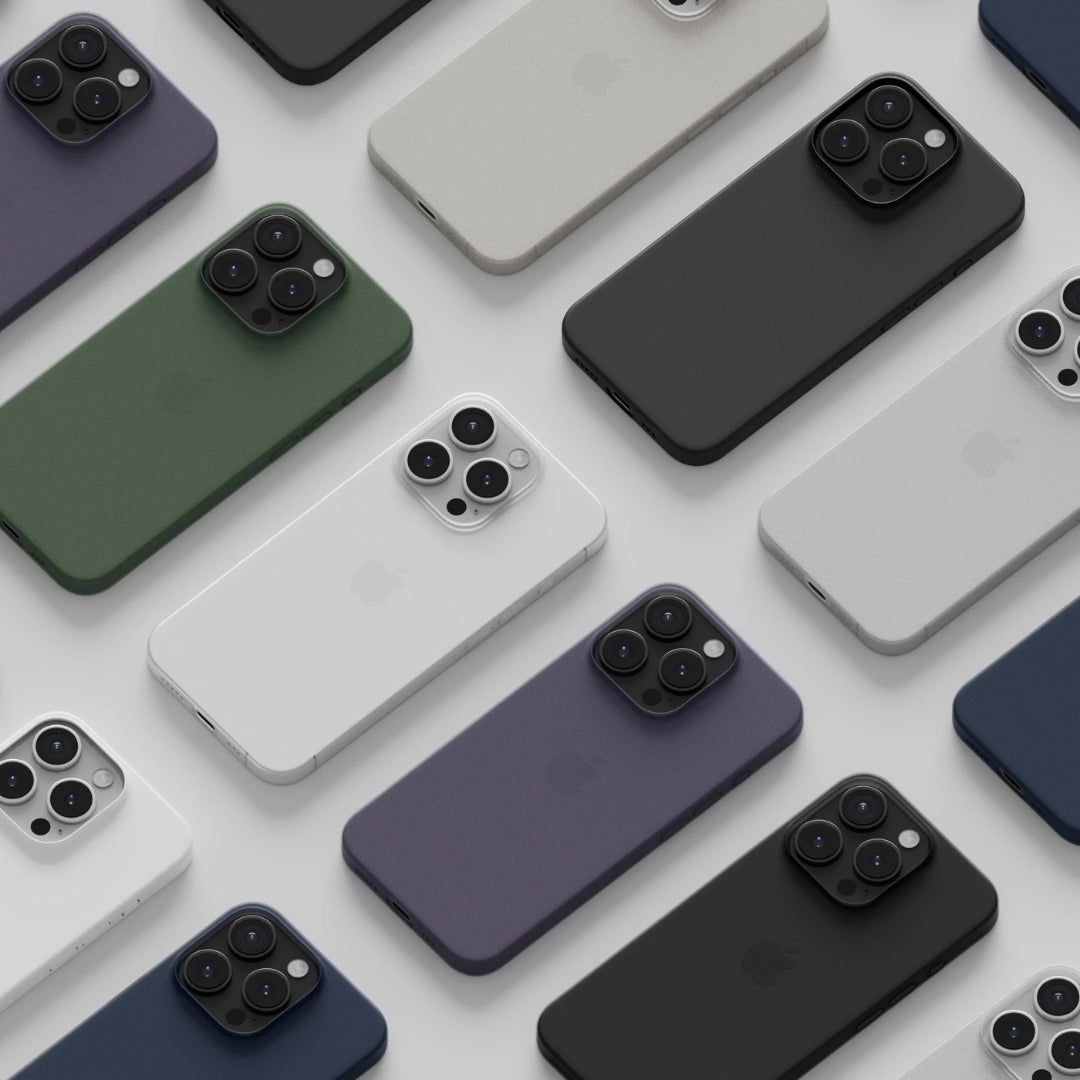
The key is to shop by filtering the model, not by sight. Search for the exact iPhone 16 model category, then choose the case type (clear, silicone, rugged, wallet), and finally see if it supports what you care about (MagSafe, raised camera lip, anti-slip grip).If you want to do it even faster, at Phonebazaar.gr the idea is to get to the right model in a few clicks, so you don't get tangled up with "almost" options. And when you're looking for a good price, Bazaar Deals and Clearance help you get something decent without overthinking it.
Small signs that you're probably getting the wrong case
If a description says "iPhone 16 series" without distinguishing 16/Plus/Pro/Pro Max, there's a possibility it's a general listing that requires attention. Also, if you see photos that don't match the camera layout of your model, don't risk it.Finally, if the price seems suspiciously low for "supposedly all models," you usually pay for the mistake with time: waiting, exchanges, returns. Better to get the correct model from the start and be done with it.
Keep it simple: find your exact iPhone 16 model, choose a case that clearly states it, and consider your usage (MagSafe, tempered glass, drops). This way, the case isn't just another accessory – it's the daily peace of mind that your phone is protected, without surprises.