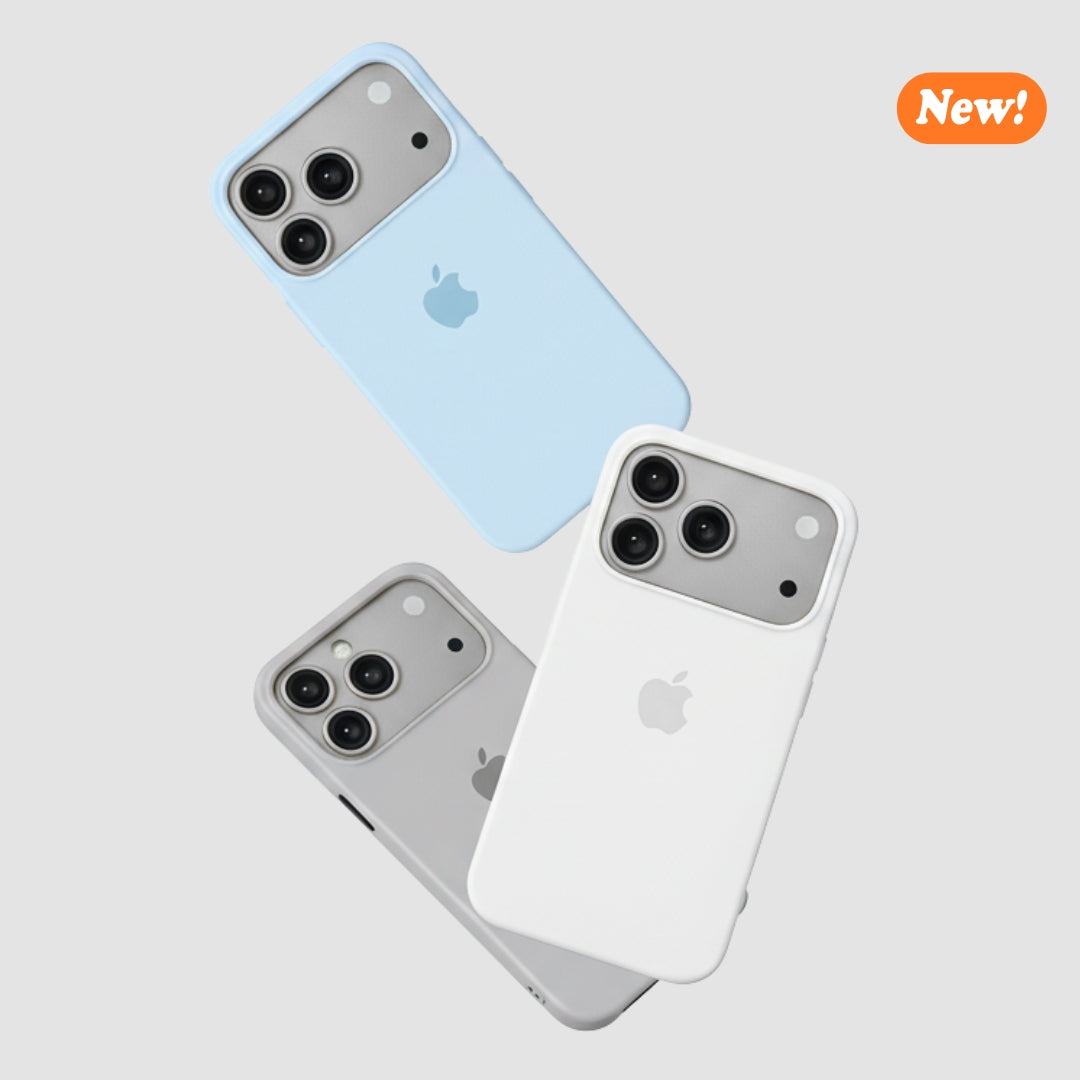
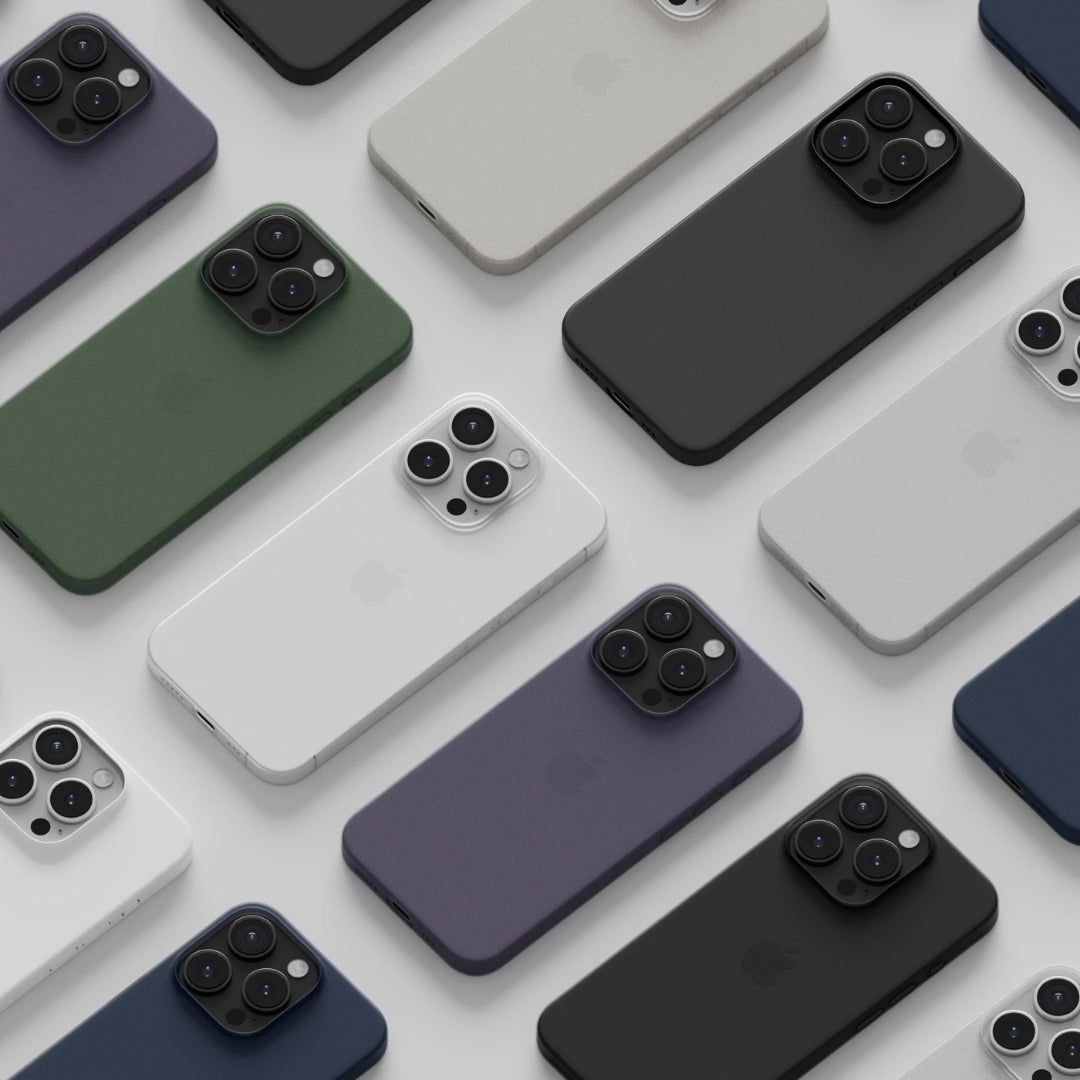


The iPhone 13 is one of those phones that feels great in your hand, until you experience that first slip onto a tiled floor. And then the classic dilemma begins: you want protection, but you don't want to turn it into a... brick. If you're looking for a slim protection iPhone 13 case, the solution isn't simply "get the thinnest one available." The right slim case is one that maintains a low profile, but has the right reinforcement points where it truly matters.
iPhone 13 slim protection case: what it means in practice
Slim protection is not a magic shield. It's a balance between thickness, material, and design. A 0.8-1.5 mm case might look almost "naked" on the iPhone, but it can save it from scratches, minor bumps, and most everyday low-height drops.However, if your phone frequently falls from pocket height onto the pavement or is constantly in a bag with keys, then "slim" shouldn't mean "no structure." In such cases, you want a slim case with reinforced corners or a raised bezel that slightly lifts the screen and camera off surfaces.
The 3 points that determine if a slim case protects
1) Screen lip and camera lip
On the iPhone 13, the camera protrudes. If the case doesn't have a raised lip around the camera island, the glass will touch every time you put it down. With a little dust and friction, micro-scratches will appear on their own.For the screen, a thin lip (even 0.5-1 mm) acts as a "brake" when the phone falls face down. It doesn't work miracles in a bad fall, but it's often why you pick up the device and say, "okay, I got lucky."
2) Corner coverage
Corners account for 80% of problems in drops. A slim case that is completely flat and without any shock absorption might look super, but it fails where it counts. Prefer slim cases that have slightly more "filled" corners or some form of air cushion (not necessarily visible).3) Fit and "grip" in hand
The best case is one that doesn't slip. The feel in the hand matters as much as the protection. If a slim case is excessively glossy, it will slip out of your hand more easily, and therefore will fall more often. A slightly matte finish or a "soft touch" texture is a small detail that makes a huge difference in everyday use.Materials: TPU, silicone, PC, and their "pitfalls"
The material is half the battle. You don't need to know chemistry, but you do need to know what you're buying.TPU (flexible plastic) is usually the "safest" choice for a slim case. It absorbs impact better than hard plastic, is easy to put on and take off, and doesn't break.
Silicone (especially soft-touch) feels very nice to hold and is comfortable in the hand. Trade-off: it attracts lint from pockets and in some qualities can "collect" dust at the edges.
PC (hard plastic, polycarbonate) offers a very thin profile and holds its shape, but in a fall, it transfers energy more easily. If you choose PC for a slim case, ideally it should have raised bezels and a proper camera lip, or be hybrid (PC back with a TPU frame).
And something many people forget: clear slim cases can yellow over time. This depends on the quality of the material and usage (sun, heat, sweat). If you care about it staying crystal clear for months, look for materials with anti-yellowing treatment or go for smoky/matte transparencies that better "hide" wear.
Slim case and MagSafe: does it fit or is it a hassle?
The iPhone 13 is MagSafe-friendly. If you use a MagSafe charger or wallet, a slim case can be perfect - as long as it has an integrated magnet ring or is thin enough to "grip" well.Here, "it depends" is clear: if you frequently attach MagSafe accessories, opt for a case with magnets. If you simply charge wirelessly now and then, a slim case without magnets might work, but it will have a weaker hold on a wallet/car mount.
A slim case is not complete without a screen protector
If you truly want "slim protection," the combo that makes sense is a slim case + tempered glass. The case protects the frame and camera, and the screen protector protects the most expensive part to repair.Just be careful with compatibility. Some cases have a tighter "lip" and may lift screen protectors that are not case-friendly. The safest option is a case-friendly tempered glass that leaves the correct margin.
What style of slim case suits your usage?
If you're the "pocket-keys-on-the-go" type, a simple ultra-thin case won't cut it. You'll want a slim one, but with reinforced corners and good grip. If you're the "office-car-clean-hands" type, a slim clear or a matte minimal case will do an excellent job and maintain the iPhone's appearance.If you're bothered by weight and the feeling that the phone "gets thicker," look for cases that don't have an excessively thick frame around the buttons. Buttons are a detail, but that's where you realize if a case is well-designed: they should be easy to press, without "stiffening" the click.
What to look out for to avoid buying the wrong iPhone 13 case
The iPhone 13 resembles other models, but the dimensions and cutouts are not the same as the iPhone 13 Pro or iPhone 14. A case that "almost fits" will leave the wrong opening for the camera or will awkwardly press the buttons.If you want to eliminate the risk entirely, choose clearly based on your model and filter by device. On Phonebazaar.gr this is done quickly from the categories and the Quick Finder, so you don't spend time searching or ordering by chance.
When "slim protection" is not enough
If you work in an area with many hard floors, if you have a child who picks up the phone, or if your iPhone frequently takes trips to a construction site, a slim case is a compromise. It will protect against everyday wear and tear, but in a bad fall, it might not be enough.In these scenarios, the best move is to go for a hybrid case that remains relatively slim but has a serious frame, or to accept a little more bulk to get more shock absorption. It's not a matter of "right or wrong." It's a matter of how much risk your day entails.
The small checklist that makes a difference before you click order
A slim case for iPhone 13 is worthwhile when it's thin where it needs to be and "smart" where it matters. Look for a raised lip for the camera, a discreet lip on the screen, a proper fit for the buttons, and a non-slip material. If you use MagSafe, don't leave it to chance - either get a MagSafe-ready case or be aware that the grip might be weaker.The best choice is the one you forget you're wearing, but remember you have it when the small "thump" of everyday life happens. And then, your iPhone 13 continues as if nothing happened.