

At the checkout, the "expensive" sale doesn't always win. The quick, correct sale wins: the customer just bought a new iPhone or Samsung, asks "do you have a case and screen protector?" and wants to leave in 3 minutes. In this scenario, wholesale isn't just about a low price. It's about availability, correct compatibility, and a supplier who keeps you stocked with the models the market demands.
What "wholesale" practically means for a mobile phone store
Wholesale mobile accessory supply for stores has a clear goal: to have products on the shelf that "turn over," with a meaningful profit margin, without tying up capital in SKUs that will remain unsold.In practice, wholesale isn't just about buying cheaper. It's about buying smarter. Being able to quickly replenish stock, not running out of tempered glass for popular models, always having a charging solution when the customer forgets their charger, and avoiding returns because "it doesn't fit my model."
The 5 criteria that distinguish a good supplier
If you're looking for a supplier, don't just focus on the price list. Look at the whole package.1) Availability by model, not just "cases in general"
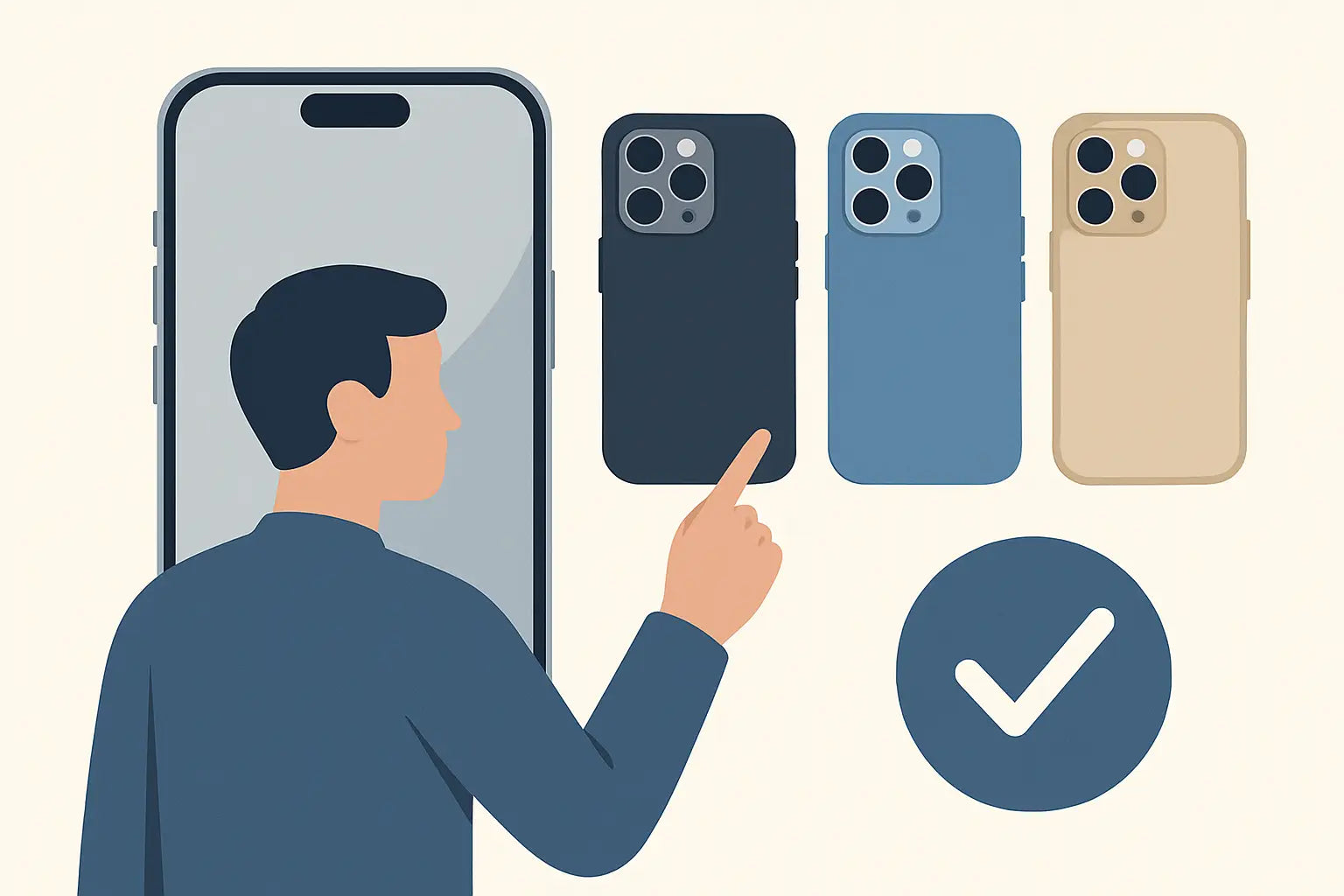
The biggest stock mistake is having many "similar" items and few "correct" ones. Cases and screen protectors are model-centric products. You want coverage for series (e.g., iPhone 13/14/15, Galaxy A and S series) and quick replenishment for popular items.The clearer the organization by brand and model, the less time your staff wastes and the fewer mistakes are made in sales.
2) Quality that doesn't come back
"Cheap" that gets returned is expensive. Especially for:- tempered glass (must fit correctly, not lift at the edges, not blur)
- charging cables (must withstand daily use)
- chargers (stable performance, safe use)
3) Supply speed and stability
Trends change quickly. A new model comes out, and in 10 days everyone wants it. You want a supplier who can cover you quickly, with smooth deliveries and without "it will arrive sometime." Especially during periods like back-to-school, Black Friday, and holidays.4) Clear policy and service
As a professional, you want clear things: what applies to defective items, how changes are made, how quickly an issue is resolved. Wholesale isn't a one-off purchase. It's a relationship.5) Offers and clear-outs that help you increase profit
Offers aren't just for B2C. For a store, a proper clear-out of "moving" SKUs creates shelf space and cash in the till. The key is to get clearance with logic: for models that are still circulating or for "universal" categories (cables, chargers, headphone cases) that don't age as quickly.How to build stock that sells, without inflating your warehouse
If you have limited space or want to maintain cash flow, the solution isn't "to have everything." It's to have the right things.Start with the "sure bets": protection and charging
The most stable categories are protection (cases, screen protectors) and charging (chargers, cables, power banks). These are daily necessities and have repeatability.For protection, maintain a balance: basic cases for everyone and some "better" options for those who want an upgrade. For tempered glass, don't underestimate privacy screens. In many stores, they are an "easy upsell" because they immediately solve a privacy issue on public transport, at work, or at university.
Work with "scales" per model
Not all models demand the same. Flagship and mainstream models (e.g., iPhone and Galaxy A/S) can support deeper stock. More niche models require selective coverage.If your store is in an area with a specific clientele, adjust accordingly. An area with many students? Economical cases, cables, and power banks will move quickly. An area with corporate clients? Privacy glass and higher-quality chargers will be popular.
Set a goal: "2 product sale in 1 visit"
This is the simplest KPI that makes a difference. A screen repair, a device sale, even a battery replacement, is an opportunity for:- case + screen protector
- charger + cable
- power bank as an "emergency solution"
Which categories are most worthwhile for wholesale
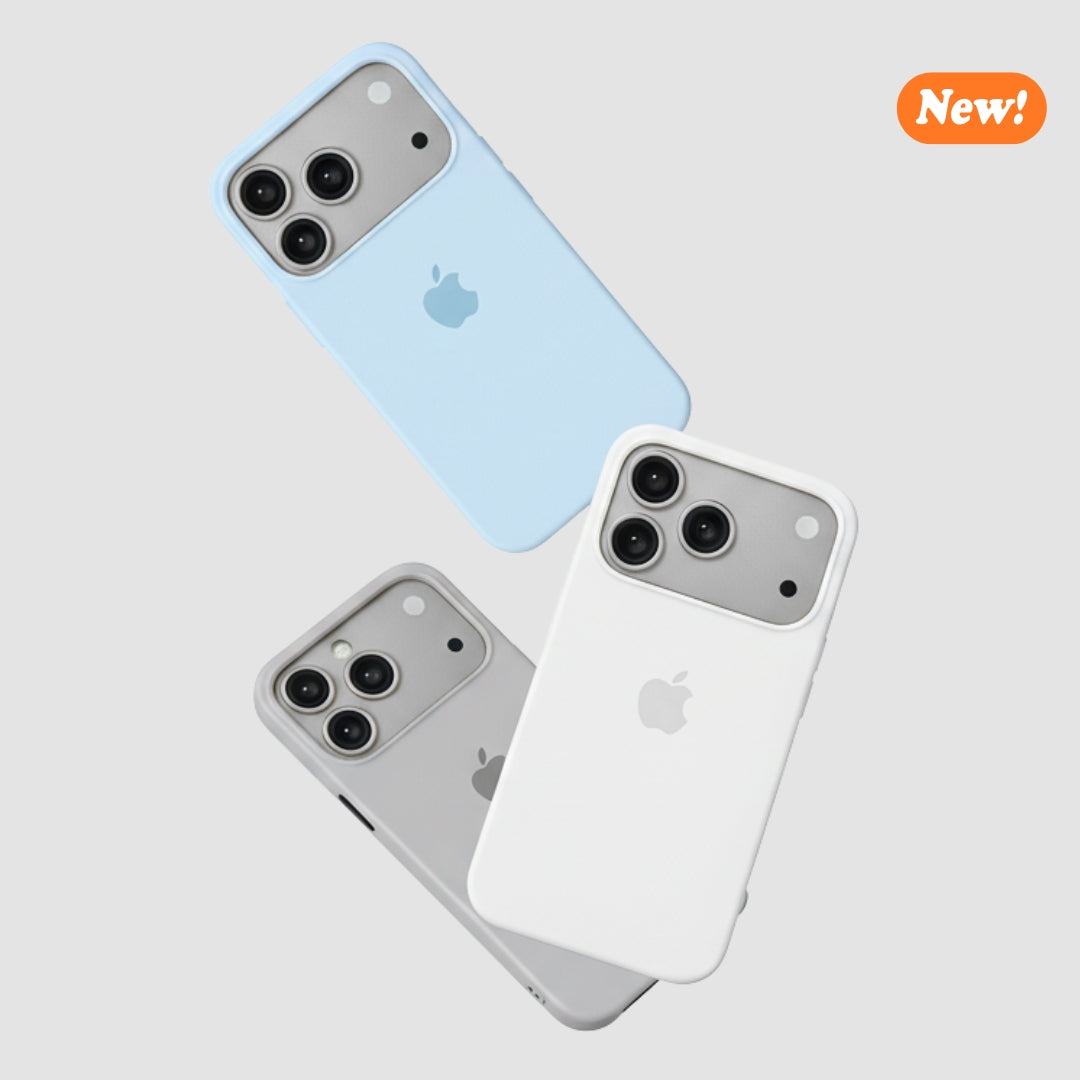
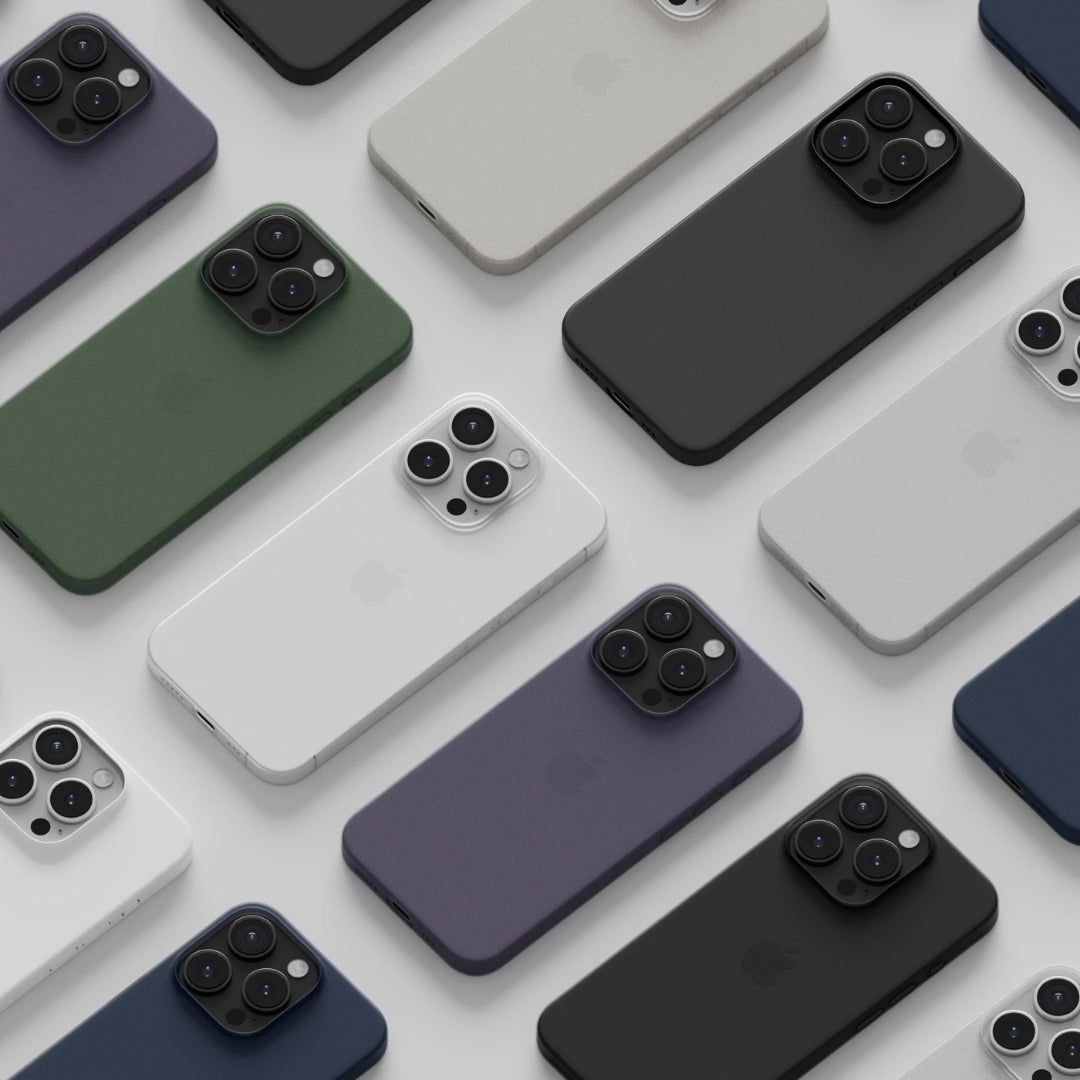
Not all accessories carry the same risk.iPhone and Samsung cases
This is where the large volume plays out. You want clear coverage per series and replenishment when a new generation comes out. The trade-off is that cases "age" with the models, so discipline is needed: don't overstock old models just because they are cheaper.Tempered glass (clear and privacy)
If you offer installations in your store, tempered glass is one of the strongest profit drivers, especially when combined with a service. However, it requires the correct SKU for the correct model. One mistake and you have open packaging, returns, and a dissatisfied customer.Charging: chargers, cables, power banks
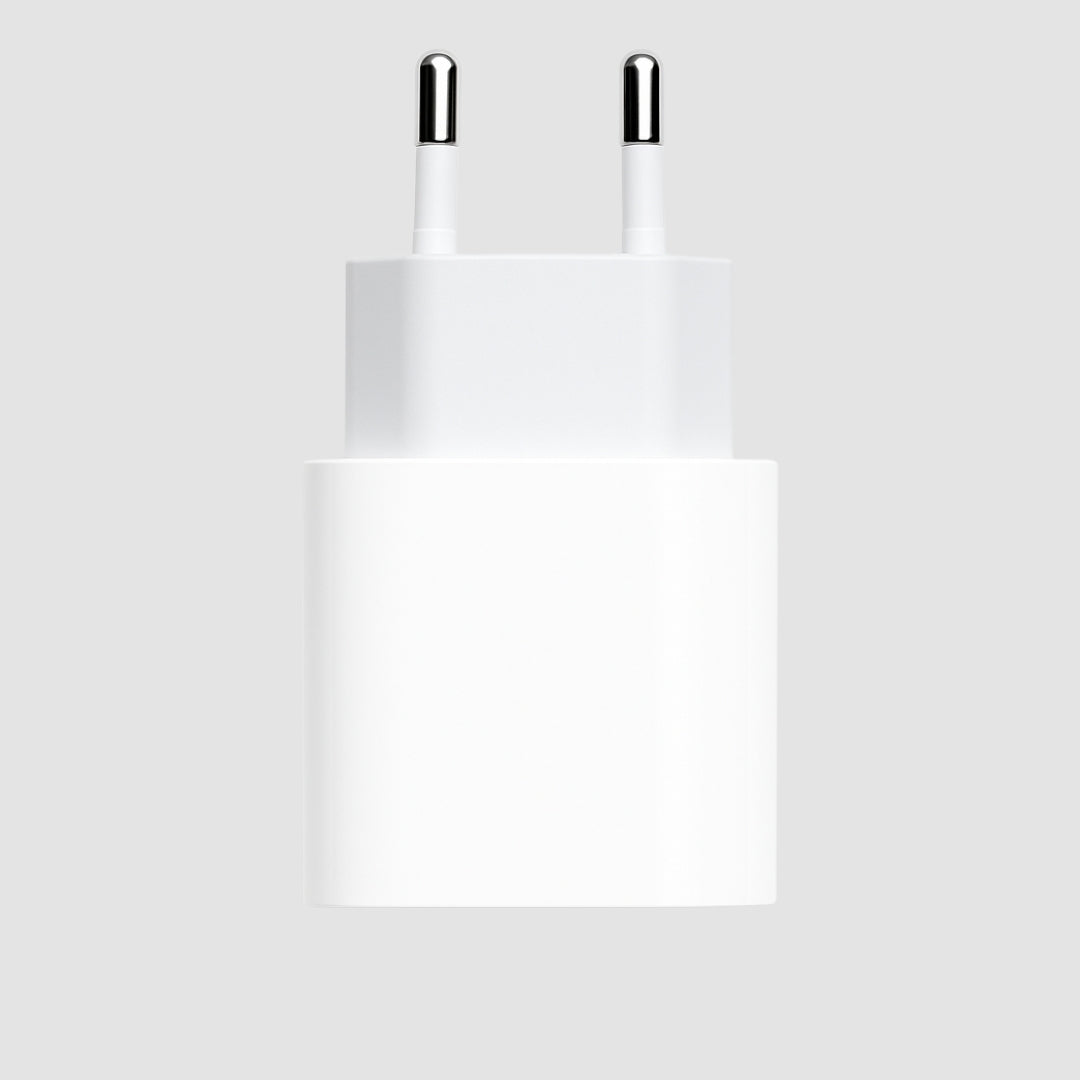
This is "safer" stock because it doesn't depend as strictly on models. Here, the trade-off is price competition. You win when you have reliable options, clear labeling, and easy recommendations for the customer who wants "something now."Smartwatch straps and earbud cases
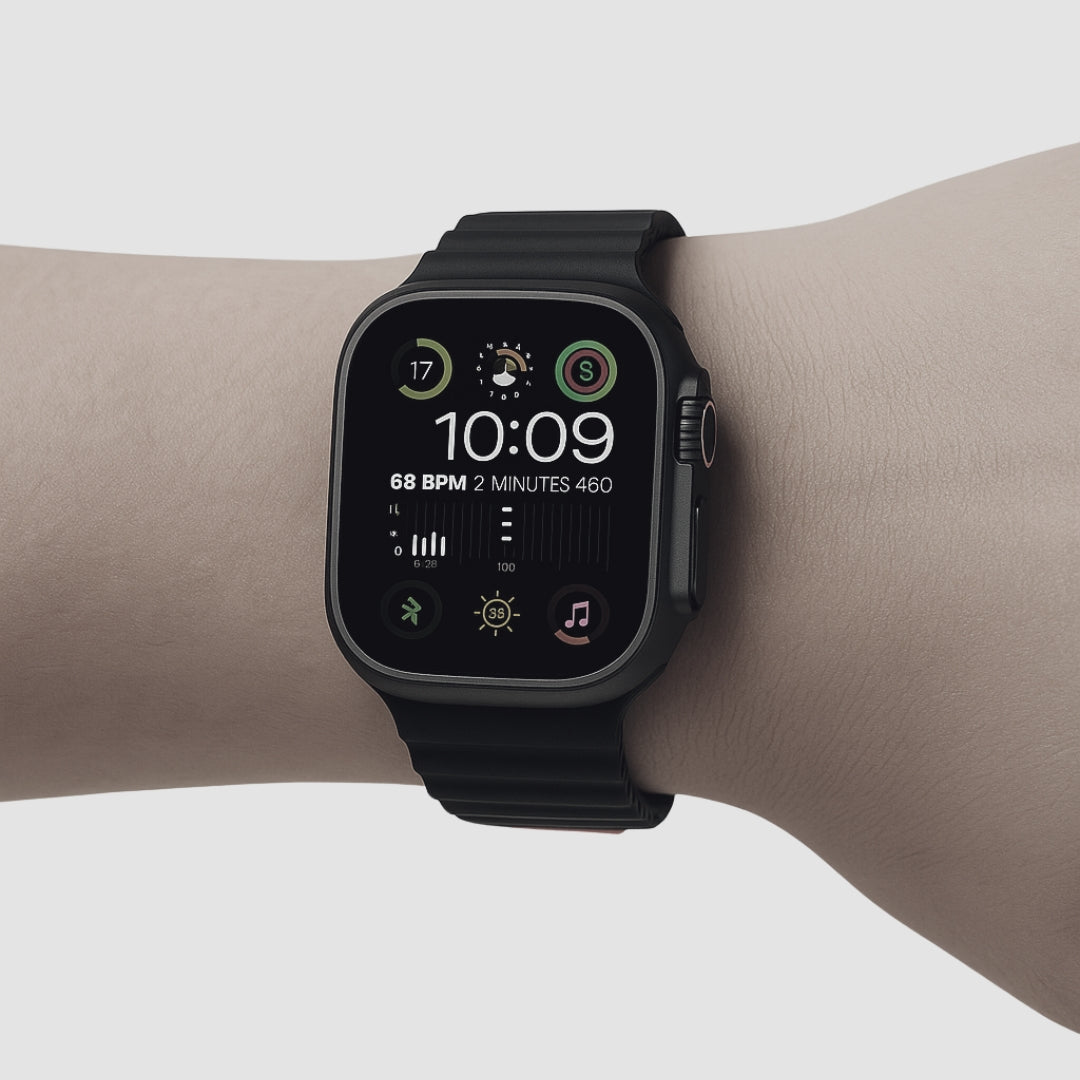
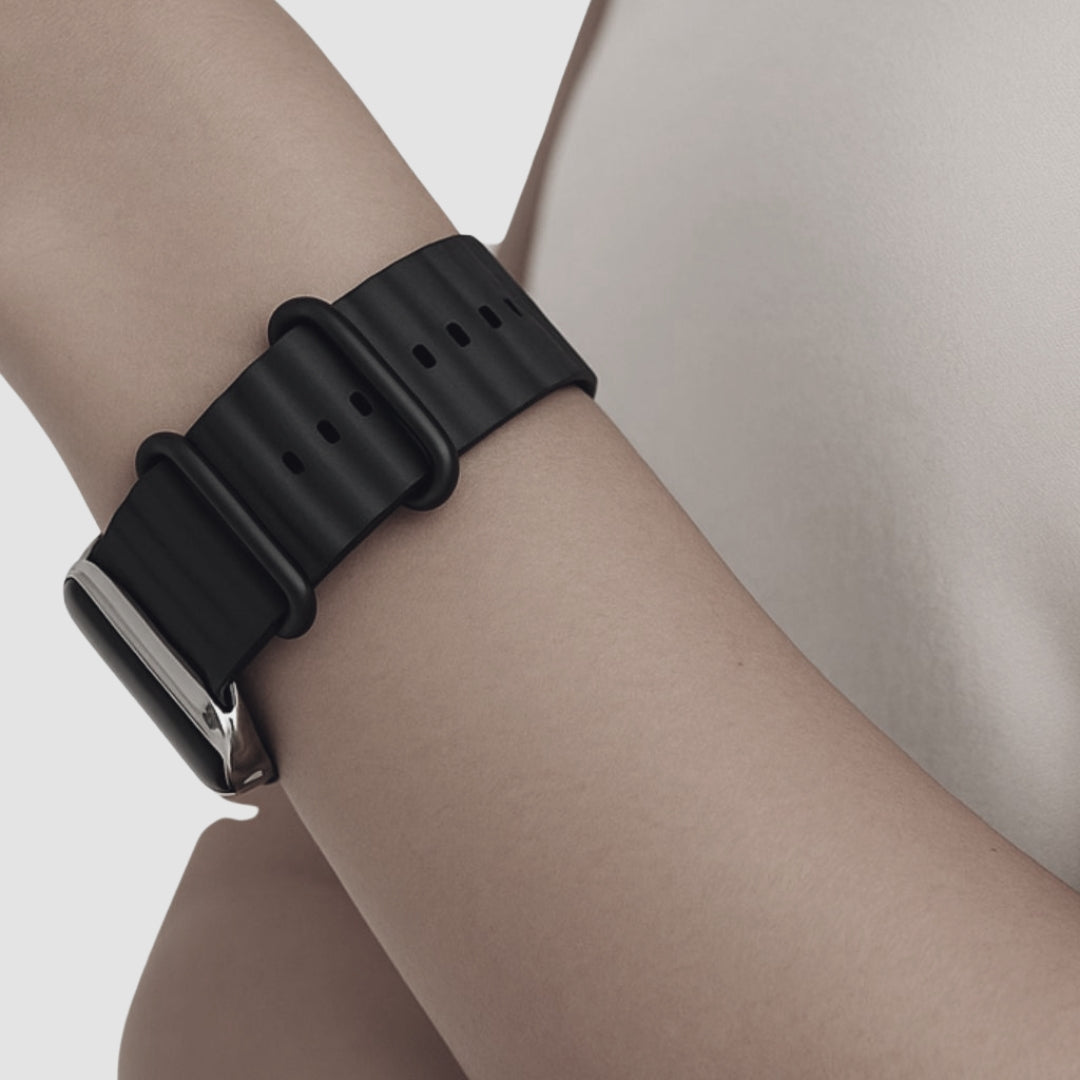
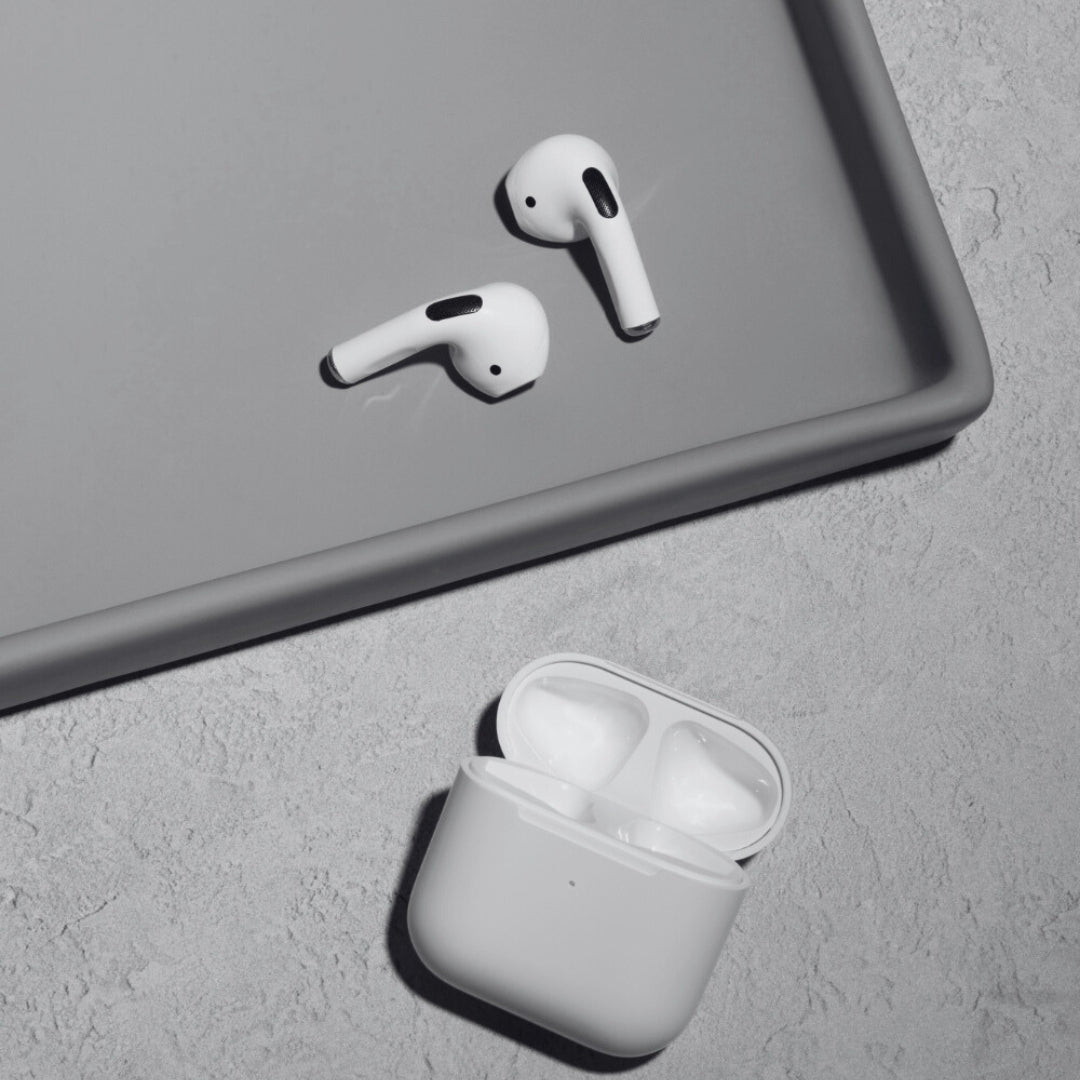
These work well as supplementary sales. They require slightly more selective stock, but they have a nice margin and make the store look "full" and up-to-date.Online supplier vs traditional wholesale: what suits you
Traditional wholesale has the advantage of personal relationships and potential credit. On the other hand, an organized online environment can give you speed, clear navigation by model, and immediate availability information.The "it depends" here is simple: if immediate replenishment and model coverage with less searching are crucial, the online model is often more practical. If you work with very large volumes for a few SKUs, a more classic collaboration might suit you. Many stores do both: a core stock from a stable supplier and supplementary online purchases when demand "spikes."
How to reduce the risk of wrong choices
The biggest cost in wholesale mobile accessories for stores isn't the price per item. It's the mistakes: wrong model, wrong series, wrong type.Keep your selection model-centric. When ordering, think like the customer: "iPhone 15 Pro," not "iPhone case." "Galaxy A54," not "Samsung case." This dramatically reduces misguided stock.
It also helps to work with suppliers who have clear categorization and quick search tools, especially when new models come out and you need to quickly fill your shelves.