


If you've tried MagSafe with the wrong case, you already know. The charger doesn't "snap" on properly, the wallet slips, the car mount holds precariously, and ultimately, you're paying for a feature you're not utilizing.
This is the crux of it when you're thinking about how to choose an iPhone case with MagSafe: it's not enough for it to simply say "compatible." You want a correct fit for your model, strong enough magnets, material that genuinely protects, and a thickness that doesn't disrupt charging. If any of these are missing, the experience immediately deteriorates.
How to choose an iPhone case with MagSafe without making a mistake
The first step is simpler than it seems. Look at the exact iPhone model, not just the series. An iPhone 14 is different from an iPhone 14 Pro, which is different from an iPhone 14 Pro Max. A case that looks visually similar might have a different camera cutout, a different fit for the buttons, and different alignment for the MagSafe system.
Then comes the real question: do you primarily want the case for protection, for charging convenience, or for use with accessories like a wallet and car mount? Most people want all three, but usually one plays a larger role. If your phone often falls, shock absorption is a priority. If you charge wirelessly every night, you care more about correct magnetic alignment. If you use a MagSafe wallet or car mount, you need a more reliable grip.
What MagSafe truly means in a case
Not all cases with a ring on the back are the same. A standard case might allow wireless charging, but that doesn't mean it has proper MagSafe. For it to work as intended, the case must have an integrated magnetic ring in the correct position and with sufficient strength.
In practice, this affects three things. First, how easily the charger will center. Second, how stably it will stay on. And third, if it will properly hold accessories like a magnetic wallet or desk stand. If the magnet is weak, it might charge, but you'll feel like everything is hanging by a thread.
Here's where the classic confusion lies. The "MagSafe compatible" label doesn't always guarantee the same quality of experience. It might simply mean it doesn't hinder charging. Conversely, a properly designed MagSafe case is made to work with the system, not just tolerate it.
How strong should the magnet be?
You don't need technical numbers to understand if a case is good. What matters to you is the feeling of stability. The charger should easily find its place and stay there without minor shifts. The same goes for a MagSafe wallet – it should attach cleanly, not fall off with the slightest movement.
If you frequently use a magnetic car mount, pay even more attention here. At home, a mediocre magnetic attachment might suffice. On the road with vibrations and turns, not so much.
Case material - where daily use is judged
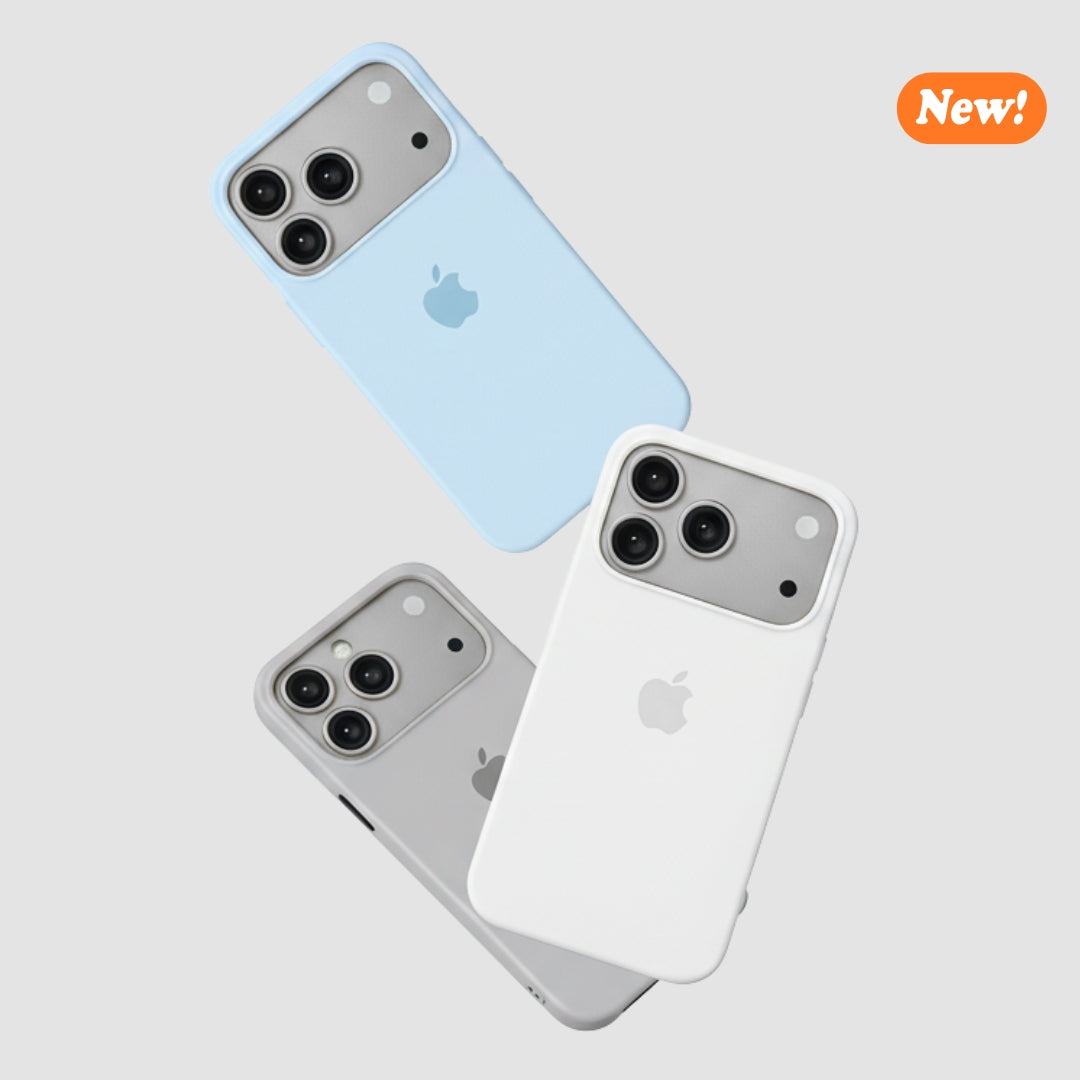
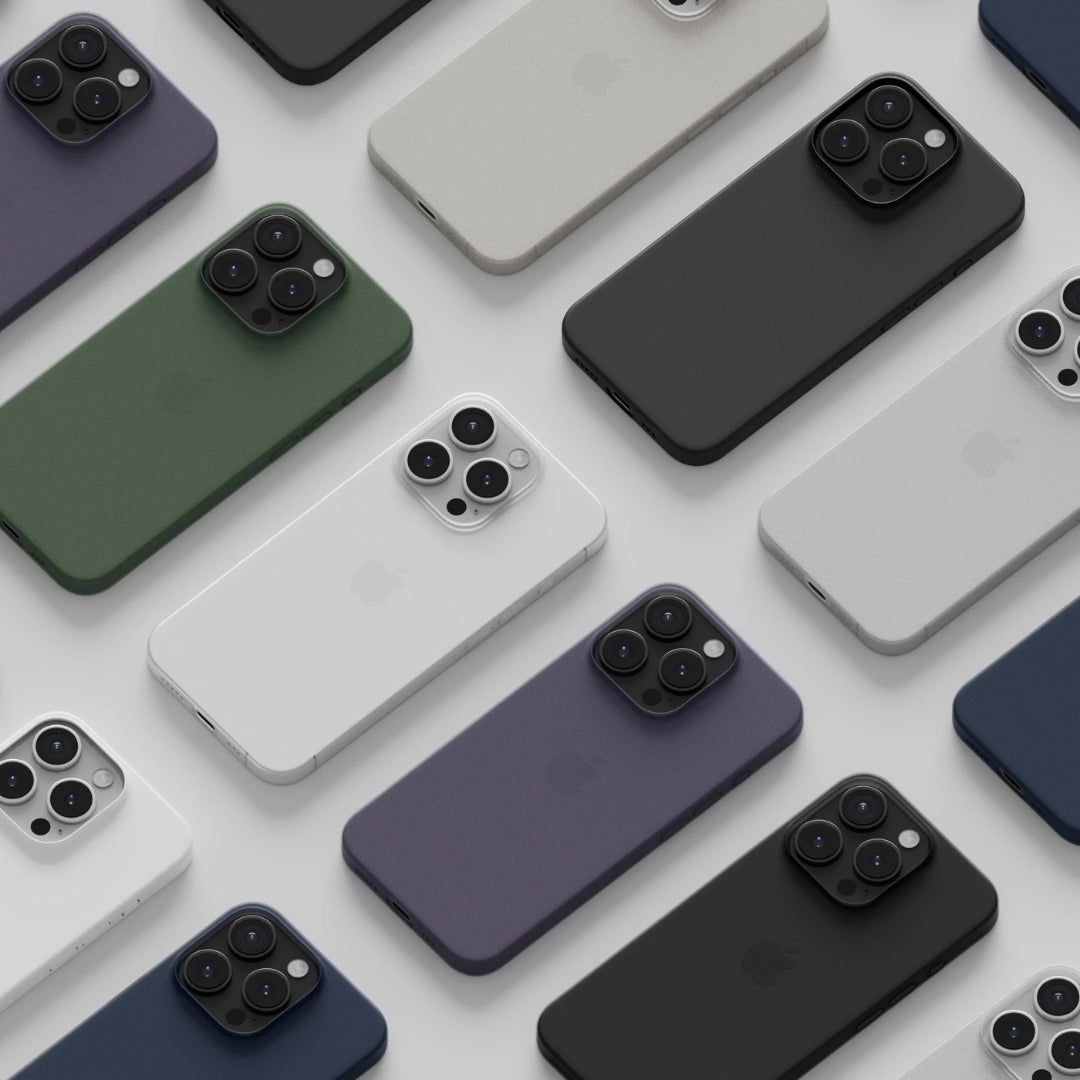
The material completely changes the experience. Silicone and TPU cases are usually more comfortable to hold and more friendly for everyday use. They don't slip easily, absorb minor impacts well, and are a good solution if you want a balance between protection and price.
Transparent cases have another advantage – you keep the iPhone's color visible. If you care about the device's appearance, it's a logical choice. The trade-off is that some clear cases yellow over time or get micro-scratches more easily. This doesn't happen to all of them, but it's something worth keeping in mind.
Harder or hybrid cases usually give a better sense of protection, especially at the corners. On the other hand, they might add a bit of bulk. If you want your iPhone as thin as possible, they might bother you. But if your priority is not to worry about every drop, that extra bulk is often worth it.
Thickness and protection - where many overdo it
A very thin case looks nice and keeps the phone sleek. However, if it's excessively thin, it might not provide substantial protection to the corners and camera. On the other hand, an overly thick case might affect charging and definitely changes the feel in your hand.
The most practical solution for most is the middle ground. It should have reinforced corners, a slightly raised lip around the screen and camera, but without making the iPhone look twice its size. This is where you get real protection without losing the comfort of daily use.
Pay attention to camera protection
On newer iPhones, the camera bump is large. So it's not enough for the case to fit correctly on the back. You also want proper perimeter protection around the cameras, so that when you place the device on a table, the module doesn't rub directly.
This is a minor detail only on paper. In practice, it makes a difference after months of use.
Grip, buttons, and feel in hand
A case can be theoretically perfect and irritate you in everyday life. If it slips, if the buttons are hard to press, or if the cutouts aren't clean, you'll realize it from the first week.
For daily use, a good case should sit well in your hand and not make you fear it will slip. If you type a lot, take photos, or use the phone with one hand, the grip matters almost as much as protection.
Buttons also need attention. They should be easy to press, with a clear feel, not requiring pressure as if you're wrestling with the case. These are the small details that show whether an accessory is just cheap or truly value for money.
If you want to know how to choose an iPhone case with MagSafe, also consider your usage
If you charge exclusively with a cable, MagSafe might not be the primary reason for purchase. In this case, you might care more about protection and less about magnet strength. However, if you already have a MagSafe charger, stand, car mount, or magnetic wallet, then the case must be almost tailor-made for that use.
For someone who travels a lot, a case with good grip and a strong magnet is more valuable than an ultra-slim option. For someone who works in an office and charges frequently on a stand, comfortable fit with accessories matters more. And if you're one of those who frequently change cases depending on the look, then appearance and price play a stronger role.
There isn't one right answer for everyone. There's the right choice for your own daily life.
When it's worth paying a little extra
If the case is just a temporary solution, you don't need to chase the most premium model. However, if your iPhone is your primary device for work, communication, photos, and travel, a better case usually proves more cost-effective than a cheap one you'll replace soon.
A good purchase isn't always the most expensive. It's the one that fits your model, works correctly with MagSafe, and doesn't put you in the position of searching again in a month. That's why it helps to shop from a store with clear categorization by model and easy compatibility finding, like Phonebazaar.gr, to reduce the risk of error from the start.
The quick logical choice before clicking purchase
Before adding the case to your cart, do a simple mental check. Is it for your exact iPhone? Does it clearly state that it supports MagSafe and not just wireless charging? Does it provide the protection you need without becoming bulky? And finally, does it suit the way you use your phone every day?
If the answers are clear, you're close to the right choice. A MagSafe case shouldn't just look good in the picture. It should be convenient every time you pick up your iPhone, charge it, place it on a stand, or set it on a table. That's when you see if you made the right purchase.