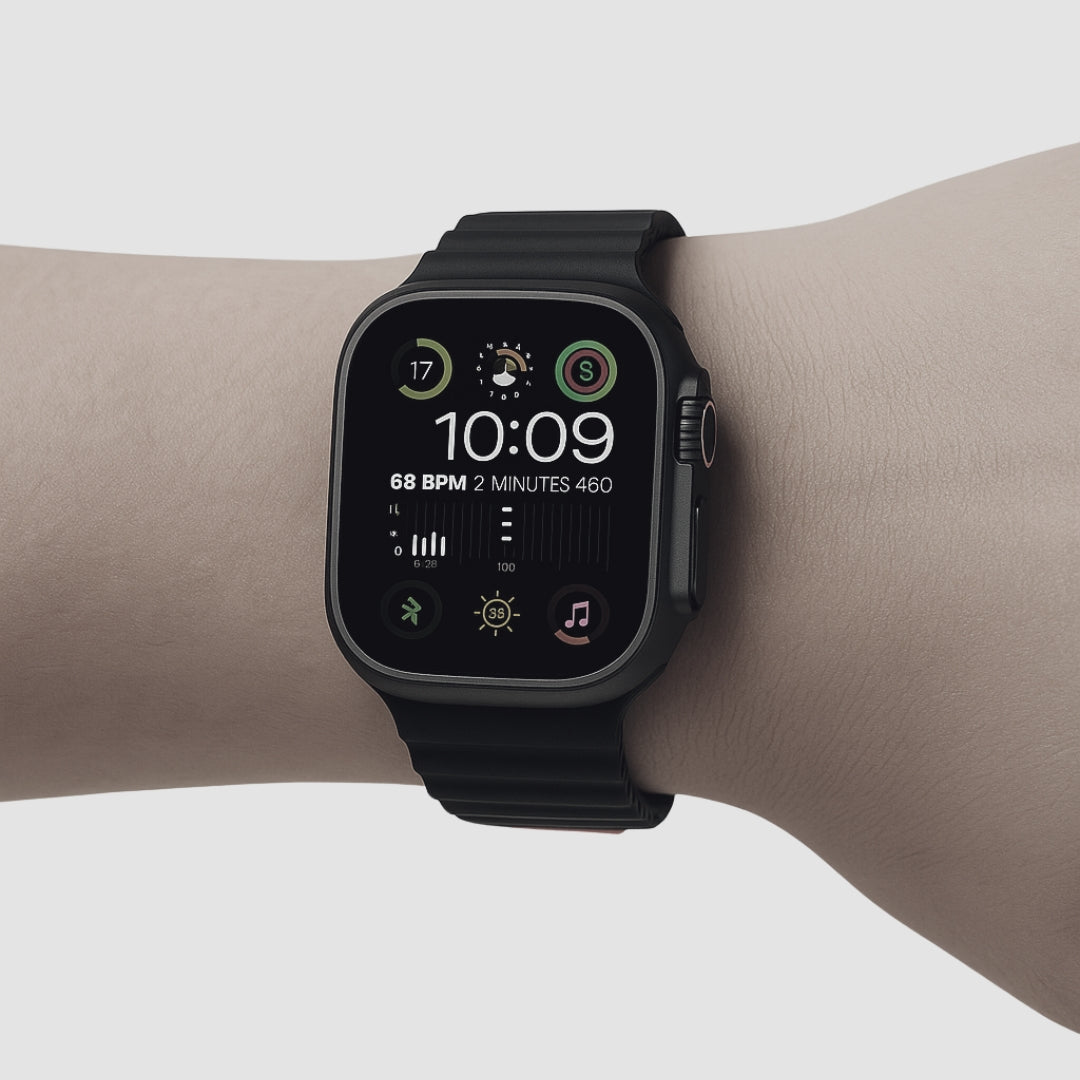

If you've searched even a little for smartwatches, you've most likely seen the Hellowatch pop up everywhere – and that's where the burning question comes in: "Hellowatch smartwatch price?" Because sometimes you find it at a price that seems like a "bargain," other times it approaches models from more well-known brands, and in the end, you don't know if you're paying for a watch or for… a description.
The key is not to look only at the number. It's to understand exactly what the version you're looking at includes, which features genuinely matter to you, and which ones drive up the price without changing your daily experience.
Hellowatch Smartwatch Price: Why It's Not Just One
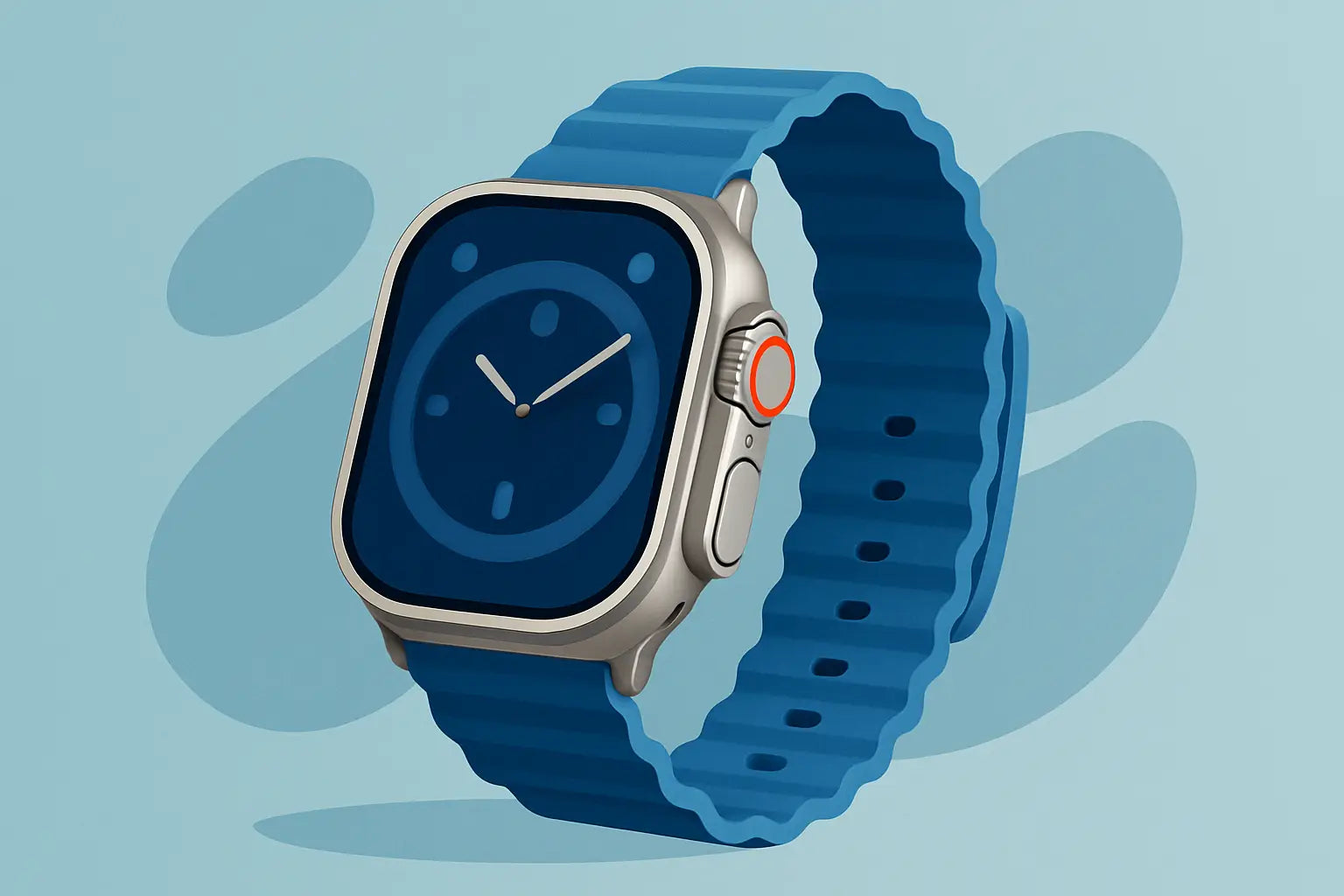
The price of the Hellowatch changes because, in practice, we're not always talking about the same product. Different versions are available on the market (different designs, different sizes, different software, different screens), and many ads or listings lump them all under the same name.If you see two Hellowatches with a price difference, the difference usually lies in three areas: screen quality, Bluetooth calling, and how "tight" the software is (notifications, app, Greek menus, stability). The price also depends on whether the watch comes with one or more straps, whether it includes a charger/specific type of magnetic cable, and of course, availability.
The Basic Price "Packages" You'll Encounter
In practice, Hellowatch pricing operates on different levels. You don't need to memorize numbers – you need to understand which category what you're looking at belongs to.1) Entry-level options for notifications and steps
At the lower end, the Hellowatch functions like an extension of your phone: notifications, basic activity tracking, heart rate measurements, and simple watch faces. It's the choice for those who want to "see who's calling" and not constantly pull their smartphone out of their pocket.Here, the trade-off is that health measurements are more indicative than "medical," and the notification experience can vary depending on the phone (Android vs. iPhone) and app settings.
2) Mid-range versions with Bluetooth calling and a better screen
The mid-price category usually includes versions with a brighter screen, better touch response, and Bluetooth calling capability (microphone/speaker). That's where the watch feels more like an "everyday tool" – especially if you're driving, working out, or working and want to answer quickly without picking up your phone.The trade-off here is battery life: the more intense the screen and the more often you use calls, the faster it will need charging. If you think of a smartwatch as "charge once and forget," pay attention to the usage you envision.
3) "Premium look" versions where you mainly pay for the feel
There are Hellowatches that go up in price because they offer a more "premium" look: a different body, a different finish, perhaps a better-crafted strap. This isn't bad – it's just useful to know. If style matters to you (and it's reasonable that it would), it might be worth it. But if you're looking purely at functionality, you won't always see a corresponding increase in capabilities.What to check before deciding on a price
The right purchase isn't "I found the cheapest." It's "I found what does what I need, at the best price." Before you commit, take 30 seconds for these.Compatibility with your phone and notification quality
If you're an iPhone user, you want to know how notifications come through, if Greek characters display correctly, and if iOS restrictions on third-party devices affect you (e.g., replying to messages). If you're on Android, you usually have more options, but the phone's battery management, which "puts apps to sleep" in the background, plays a role.This is directly linked to the price, because two Hellowatches might look identical in photos, but the notification experience could be night and day.
Screen: brightness, size, readability
This is where the difference "shows." If you wear it outdoors, in the sun, a brighter screen is worth it and justifiably increases the price. If you want it for the office and evening strolls, you might not need to pay extra.Bluetooth calls: will you use them?
It sounds minor, but it's crucial. If you're never going to talk from the watch, don't pay a premium for it. But if you want it for a quick answer on the go or at the gym, then it's worth aiming for.Battery and charging method
Some users charge every night along with their phone, so they don't care. Others want it to last several days so they don't have to think about it. The "real" battery isn't just mAh – it's the combination of screen, brightness, always-on, notifications, and calls.Also check what charger it uses (magnetic cable/dock). If you lose a charger, you want it to be easy to find a compatible one.
When a low price is genuinely a bargain and when it's a trap
A low price is a bargain when you know exactly which version you're buying and when the store is clear about availability, shipping, and support. It's a trap when the description is generic, the photos are "borrowed" from another model, or when nothing is mentioned about warranty and returns.Because wearables are something you wear every day, the hassle from a wrong purchase quickly becomes apparent: bad notifications, disconnections, a screen you can't see outdoors, a strap that bothers you. That's when the "cheap" price becomes expensive.
The price only makes sense in relation to your usage
If you want a smartwatch just to count steps, see notifications, and have a nice screen on your wrist, an entry-level Hellowatch can fully cover your needs. However, if you want to answer calls, use it heavily throughout the day, and expect a more "stable" experience, then it makes sense to move up a category.And if you're someone who also sees a watch as an accessory, the "premium look" option makes sense – as long as you know you're paying more for feel and appearance, not always for double the functionality.
Small things that greatly change the experience (and value)
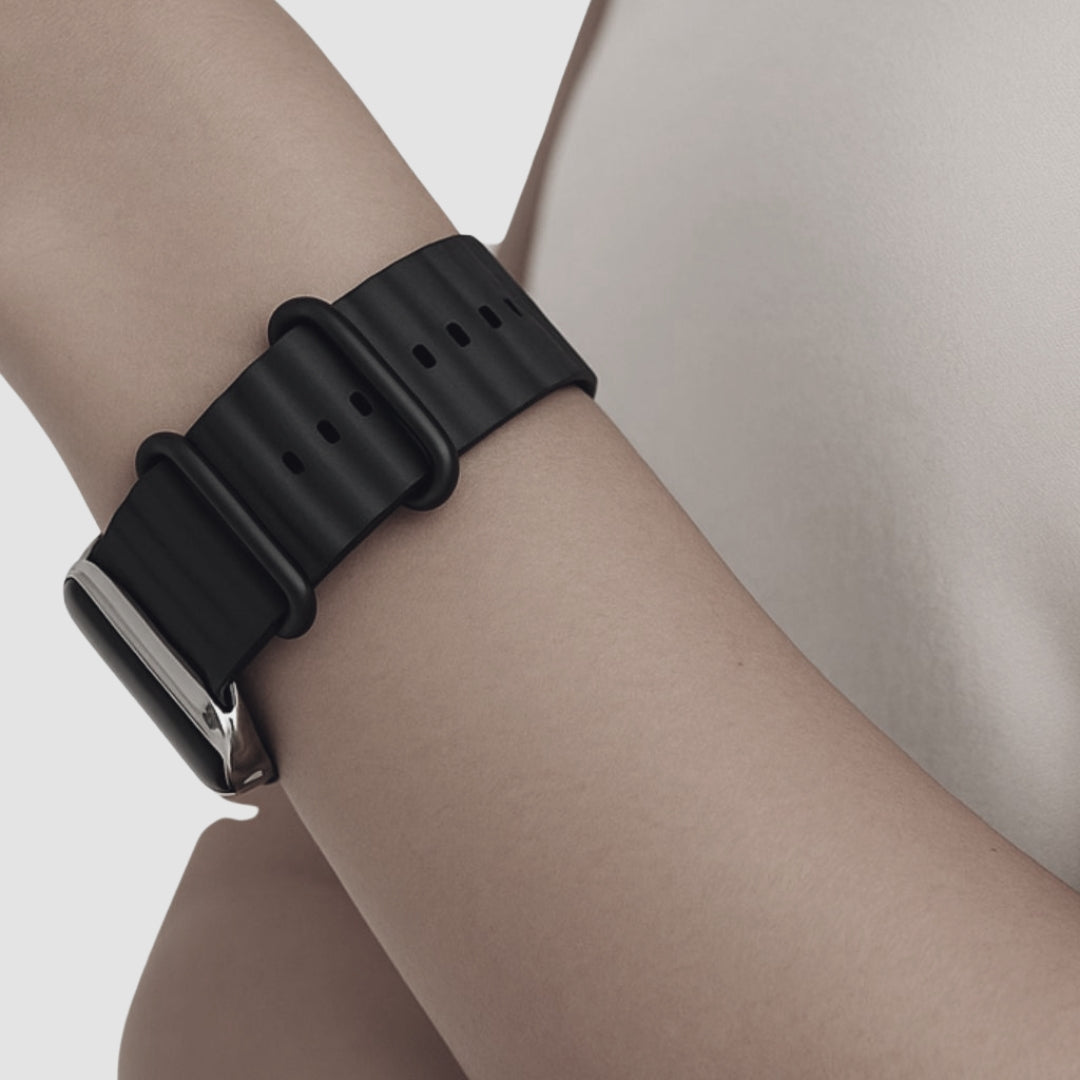
The Hellowatch, like any smartwatch, isn't just the device. It's also how you wear it and how you protect it.A second strap can save you if you sweat at the gym or if you want a more "dressy" look for going out. A screen protector for a smartwatch is also one of those things you say "no big deal" about until the first scratch happens – especially if you bump into doors, desks, weights, or have kids.
If you're looking for a complete solution for wearables and accessories, a quick look at Phonebazaar.gr helps because their shopping philosophy is "find the right thing quickly, get it immediately," and you'll usually find more aggressive prices or offers.
How to get a better price without taking risks
The most practical thing you can do is compare "like with like." That means the same version, the same features (calls, screen, size), the same accessories in the package. Then look at the real purchasing benefits: delivery time, pickup method, return policy.If you need it immediately, a slightly higher price might be worth it when you save time and gain certainty. If you're not in a hurry, wait for Bazaar-style offers, clearance sales, and bundles with straps or screen protection – that's usually where you "write" the savings without cutting back on usage.
And one last, practical filter: think about which function you'll use every day. If it's notifications and time, don't chase specs that will remain inactive. If it's calls, don't get a model that "promises" them but doesn't do them well. The best price is the one that will actually make you wear it, not leave it in a drawer after a week.
If you look at it that way, the "Hellowatch smartwatch price" stops being a hunt for the cheapest and becomes a simple choice: you pay for what will make your life easier tomorrow morning, as soon as the first notification hits your wrist.